Where Danger and Reward Meet
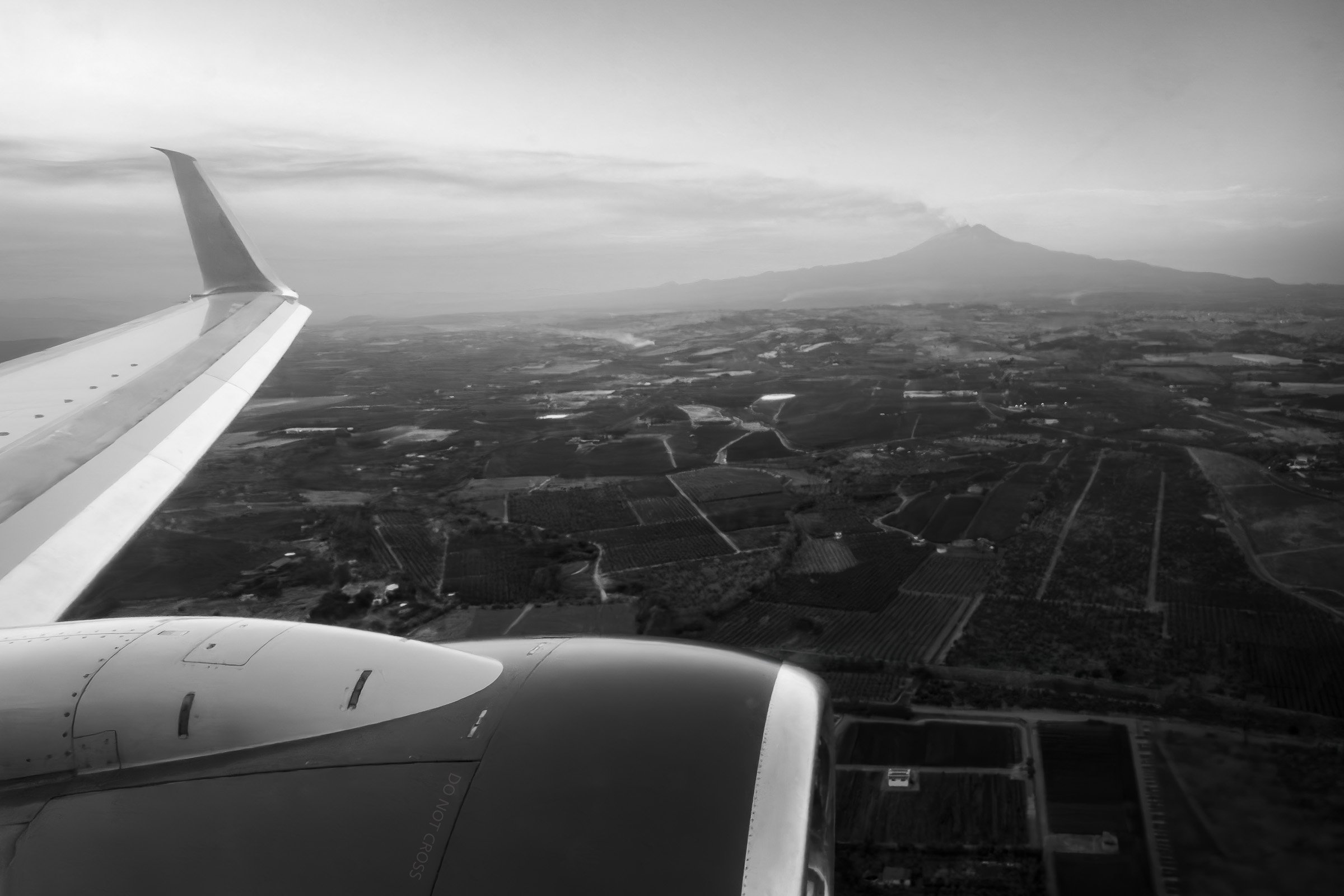
Do Not Cross
Flying over Sicily, the pattern is impossible to miss. The closer you get to Etna, the more there is below: farms, villages, terraces cut into volcanic soil that has been worked for centuries. Further inland, where the danger fades, so does the activity.
The reason lies in the soil itself. Volcanic soil is some of the most fertile in the world. The same eruptions that threaten the land are what enriched it in the first place, mineral by mineral, over centuries. The danger and the reward come from the same source.
Nobody farming those slopes is being reckless. They have understood, over generations, exactly how close is too close, and the soil rewards that precision with some of the richest land in Europe. This is not about heroics. It is about earned judgement.
Most leadership advice treats risk as something to be minimised: reduce exposure, avoid the downside, protect the position. But total safety isn’t always achievable, and pursuing it as a goal produces its own kind of failure: the organisation that never grows because growth requires exposure, the career that never advances because advancement requires risk, the decision that never gets made because no option is entirely without consequences.
You would not cross the road if you required risk to be zero. You manage the risk, you understand the pattern of traffic, and you cross anyway, because the alternative is to never get anywhere.
What risk have you been avoiding when the better question is how to engage with it wisely?