When Signals And Reality Diverge
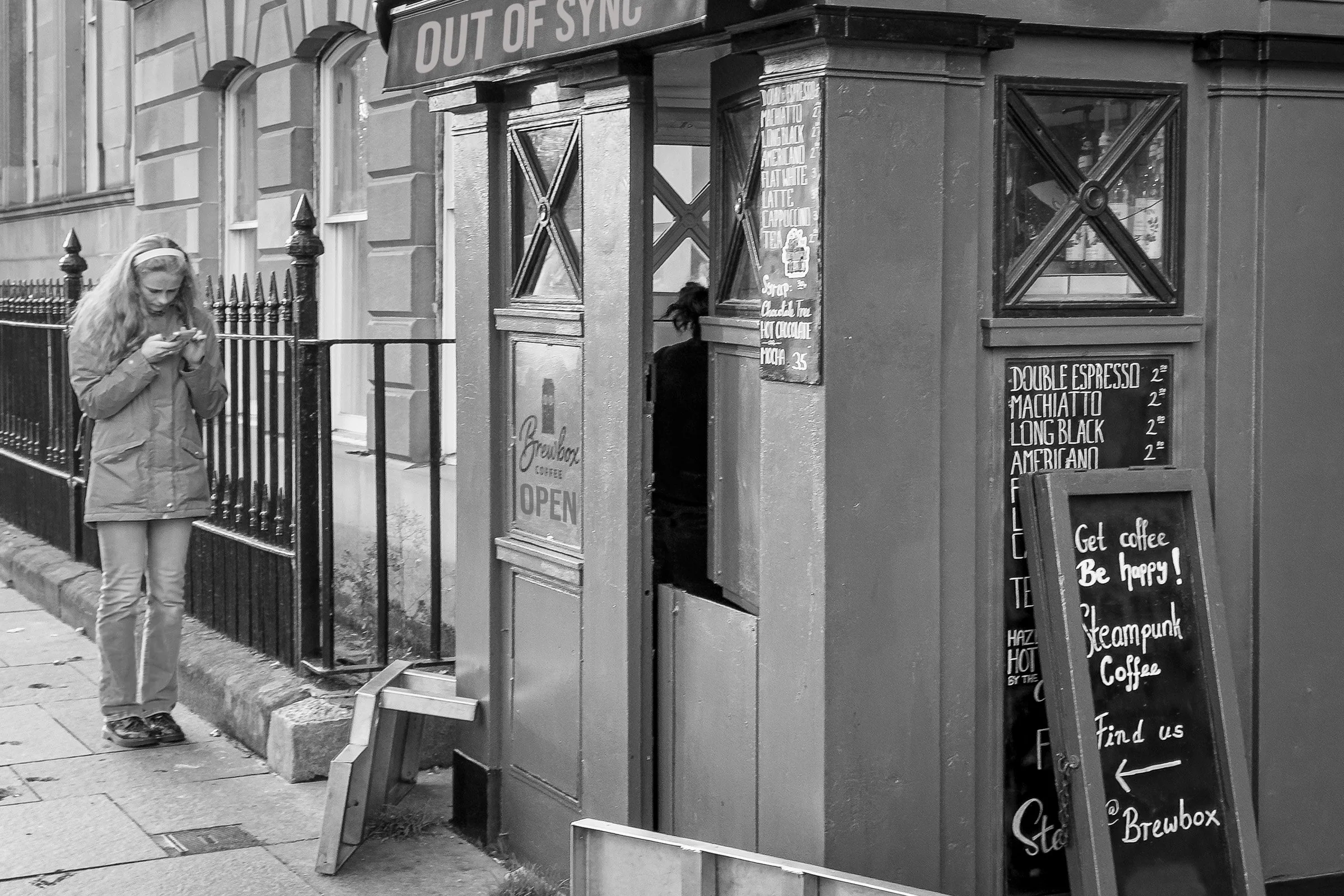
Out Of Sync
The sign says open yet the hatch is closed. The menu is still visible, the offer still implied, but nothing is actually available. Nobody has corrected it, and customers are already looking elsewhere.
This kind of gap appears in organisations more often than we would like: processes that exist on paper but not in practice, commitments made that quietly expired, a culture said to welcome challenge that simply doesn't. The signs are still there. The substance is not.
Trust erodes in exactly these moments, not through dramatic failure but through the steady accumulation of small mismatches between what is promised and what is true. By the time the gap becomes visible, the damage is already done; people stopped believing the sign long before anyone thought to change it.
Most leaders don't create these gaps deliberately. There is instead a steady drift as priorities shift and attention moves on, the gap going unnoticed until it widens and the cost is already being paid.
When did you last test whether what your organisation promises and what it delivers are still aligned? The hatch, after all, won't open itself.