Not Everything Needs Fixing
Building
The temptation when things aren't working is to start over and begin afresh. It feels decisive. It feels like the right thing to do. And occasionally it is - when the foundations are genuinely broken and no amount of reinforcement will make them safe.
But most things aren't broken. They are unfinished, or imperfect, or simply unfamiliar to the person now looking at them. There is a significant difference between something that needs changing and something that feels uncomfortable because it was built by someone else, in a different time, for reasons that aren't immediately obvious from the outside.
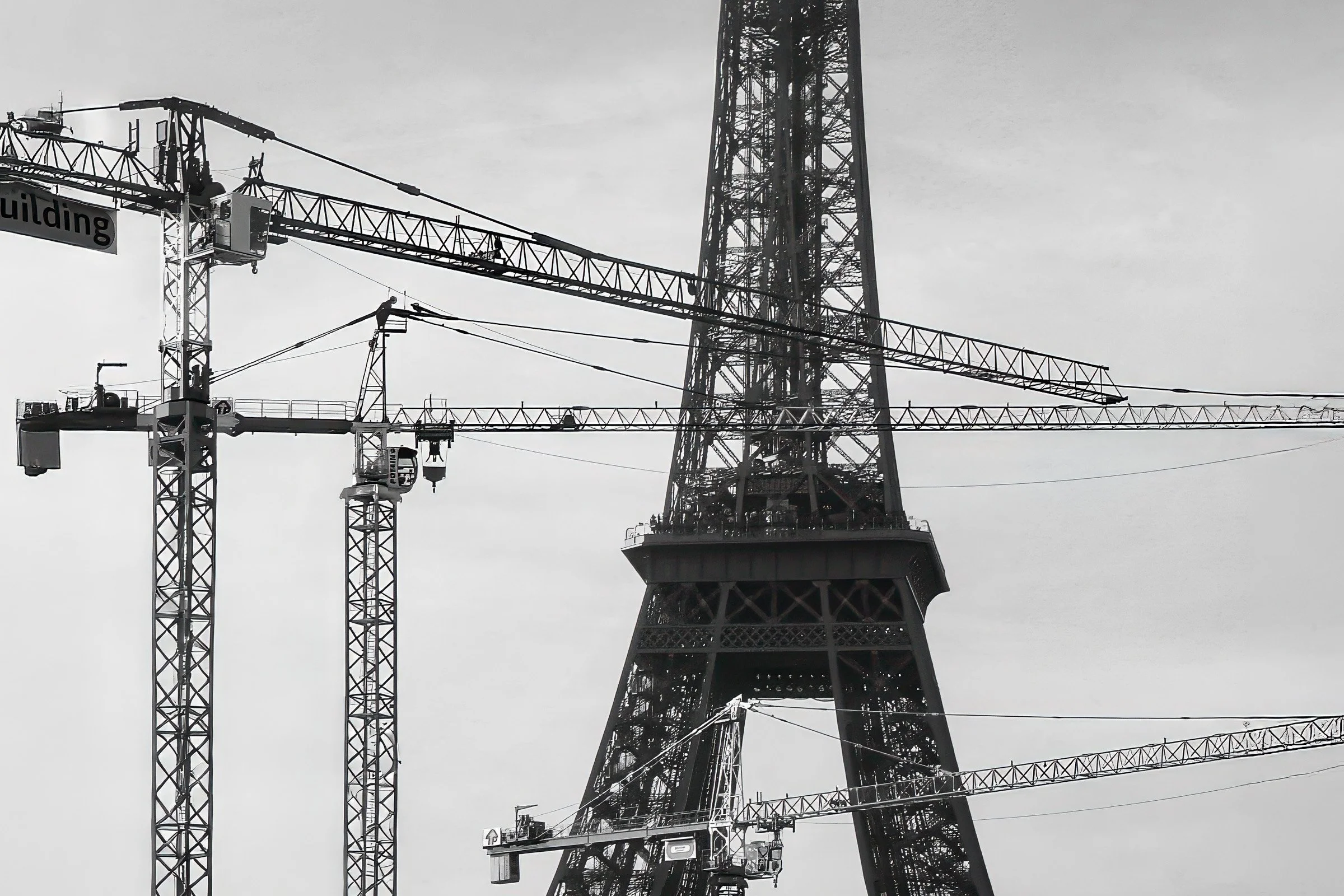
The Eiffel Tower stands exactly as it was designed to stand. The construction happening around it is the city evolving, not the tower failing. Knowing the difference between the two - what needs attention and what simply needs to be left alone - is a more demanding judgement than it first appears.
What gets lost when things are changed unnecessarily is often only understood once it is gone. The trust built slowly, without fanfare, that does not survive being dismantled and rebuilt from scratch. A role that appeared redundant until it disappeared and three people started doing it badly between them. A neighbourhood institution that felt outdated until it closed and people realised it was where strangers had become neighbours.
None of these need fixing. They need protecting.
More damage is done by those who change too much than by those who change too slowly. The instinct to start clean is understandable. The cost of it is almost always underestimated.
The harder question is never where do we start. It is what is still working that we cannot afford to lose.
When did you last ask whether something needed changing, or whether it simply needed to be better understood?