Choosing the Right Vantage Point
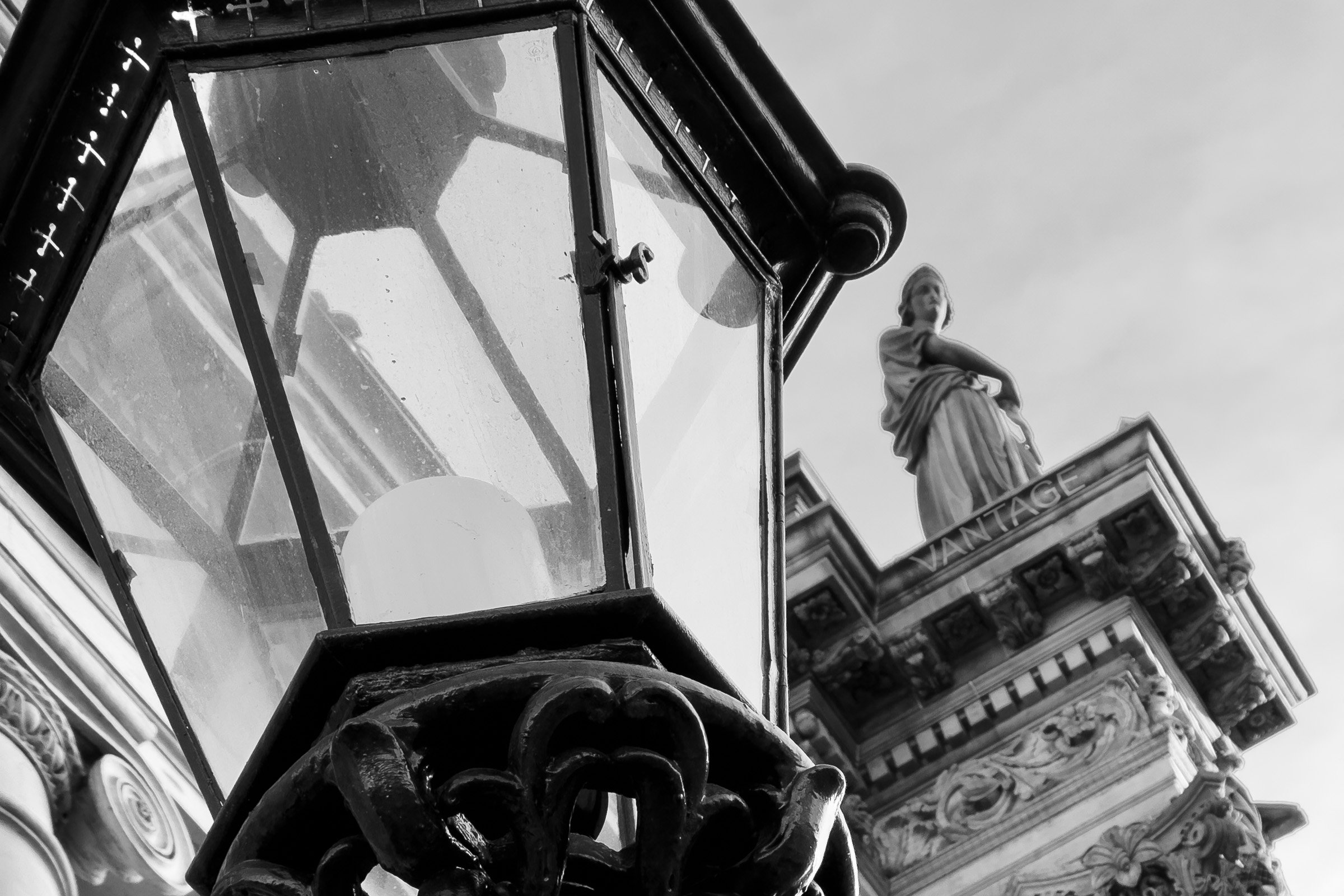
Vantage
Where you stand shapes what you see.
From its elevated position, the statue sees what those at street level cannot: the full picture that proximity hides.
Most of us spend our lives at street level, where we are encouraged to move faster, decide quicker, and hesitate less. But movement without perspective can narrow rather than clarify, and speed without vantage can take us confidently in the wrong direction.
Choosing the right vantage point changes the quality of judgement, and that sometimes means stepping back when others rush forward, or widening the view when focus has become too narrow: not to delay action, but to make sure it is directed at the right thing.
This isn’t about gathering more information. It’s about context. When you are too close to a situation, proximity distorts; urgency crowds out importance, patterns become harder to see, and assumptions go unchallenged. The same facts, viewed from a different position, can lead to an entirely different conclusion.
The question isn’t always what to decide. It’s where to stand before you do.
When did you last deliberately seek a different vantage?